
Sub-Total: $0.00
What About the Fellas
The Doula Lab’s Men’s Health & Wellness programming exists to intentionally engage men as vital partners in maternal health, birth equity, and family well-being. Through community conversations, workshops, wellness initiatives, and advocacy-centered programming, we create spaces where men, fathers, partners, brothers, and sons—can explore their role in supporting healthy pregnancies, strong families, and thriving communities.
Our men’s programming places a strong emphasis on mental health, emotional wellness, and community accountability, recognizing that men’s well-being is deeply connected to birth outcomes and family stability. We believe reproductive health is not solely a women’s issue, it is a family issue, a community issue, and a justice issue. When men are informed, supported, and engaged, outcomes improve for everyone.
This work is rooted in culturally responsive practices, honest dialogue, and accessible spaces, meeting men where they are and inviting them into care, connection, and action.
Leadership Spotlight
Brad M. Edwards
Director of Men’s Programming, The Doula Lab
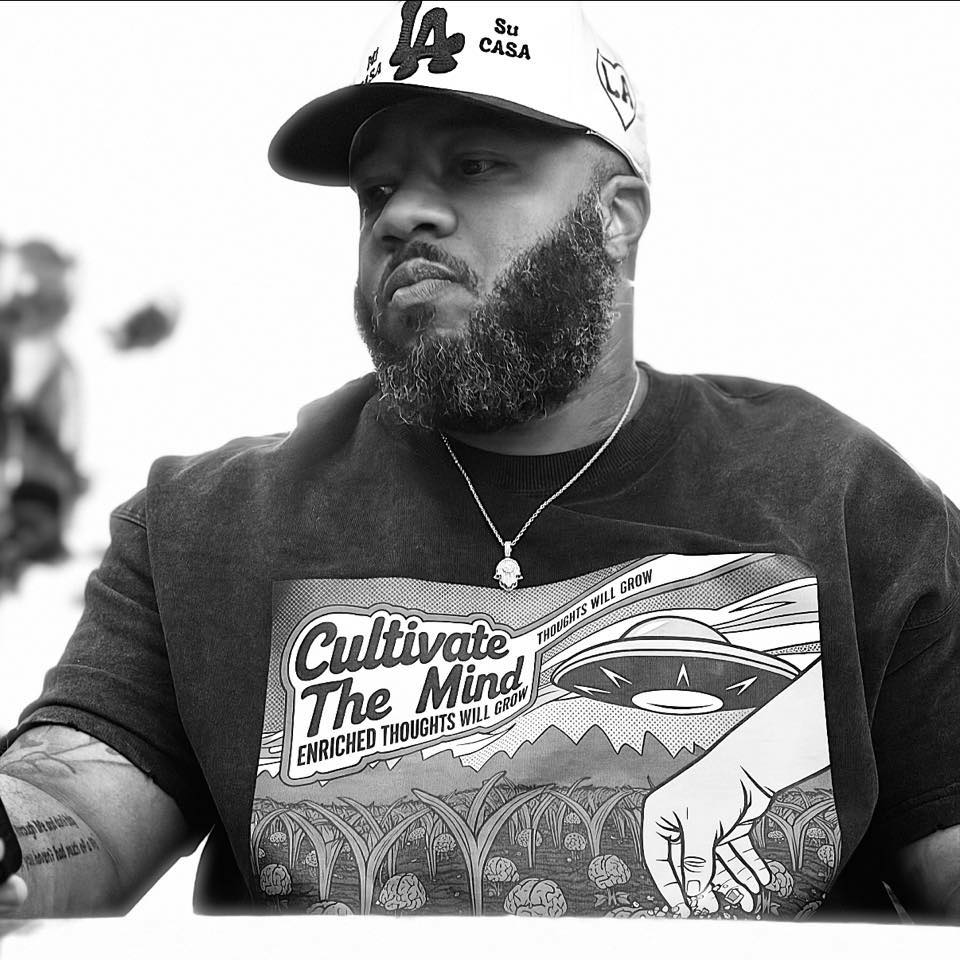
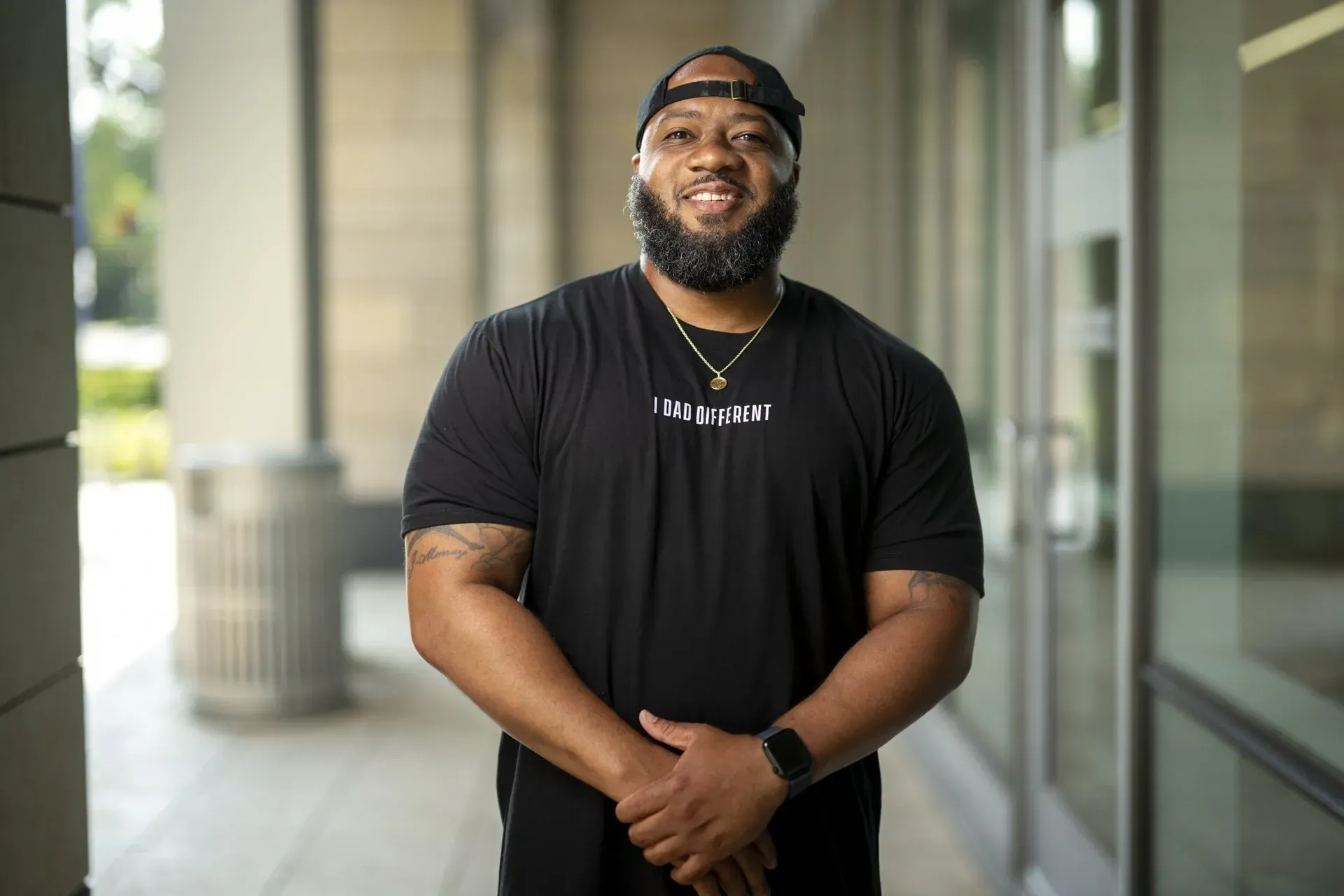
Brad M. Edwards serves as the 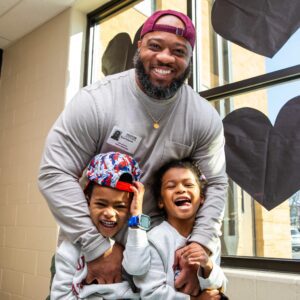 Director of Men’s Programming at The Doula Lab, where his work centers on bridging men’s voices and presence into the birthing and reproductive health space. In this role, Brad designs and leads initiatives that engage men as advocates for maternal health, birth equity, and family well-being, helping to shift narratives and transform outcomes at both the individual and community level.
Brad brings a diverse professional background that blends community organizing, program strategy, and sales and marketing, allowing him to turn bold ideas into impactful, scalable programs. He is the creator of Dads To Doulas, a national maternal health initiative that trains men to actively support mothers and children during the birthing process, and Str8 Mental, a mental health education platform focused on the emotional well-being of Black men.
His experience spans grassroots organizing and large-scale partnership development—from leading initiatives like Cool Down STL, which distributes water to unhoused communities, to coordinating corporate and nonprofit collaborations with major health organizations. Across all his work, Brad is known for his ability to build trust, facilitate meaningful dialogue, and create spaces where people feel seen, heard, and supported.
Brad’s passion for birth work and reproductive health is deeply personal. Becoming a father reshaped his understanding of legacy, responsibility, and care, and illuminated how often men are excluded from conversations around birth despite their critical role. For Brad, engaging men in this work is essential to strengthening families and saving lives.
At The Doula Lab, Brad brings a unique blend of empathy, creativity, and intentional action. From innovative workshops like Chairs and Conversations hosted in barbershops to experiential programs that connect physical activity with mental and emotional health, his work reflects a belief that healing happens in community.
Brad is honored to be part of The Doula Lab’s collective, an organization that values joy, advocacy, and innovation, and is committed to helping reimagine what care can look like for families and communities.
What About the Fellas
A Safe Space for Real Conversations
A culturally grounded discussion circle designed specifically for Black men to explore fatherhood, relationships, mental health, and leadership. This program creates a judgment-free environment where men can unpack stress, build brotherhood, and redefine what strength looks like in their families and communities.
Chairs & Conversations
Barbershop Talks on Health, Healing & Legacy
Hosted in trusted barbershop spaces, this initiative brings intentional dialogue to the barber’s chair—covering topics such as men’s health, emotional wellness, generational healing, and fatherhood. By meeting men where they already gather, we normalize preventive care, vulnerability, and community accountability.
Trail Talk Hiking Series
Moving for Heart Health, Brotherhood and Mental Clarity
Trail Talk is a monthly hiking experience that brings men together to move their bodies, connect in community, and prioritize their health. Set in nature, these walks create space for meaningful conversation while promoting one of the most powerful forms of preventative health—movement. With heart disease remaining the leading cause of death for men in America, Trail Talk encourages men of all fitness levels to take intentional steps toward better cardiovascular health while building brotherhood, accountability, and support along the way.
Chairs and Converstations Why the Barbershop Matters
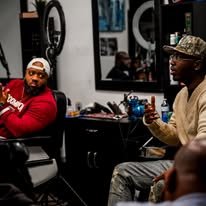 The Chair Is More Than a Seat
In Black communities, the barbershop chair has always been sacred space.
It’s where:
Boys become men.
Stories get told.
Pain gets unpacked.
Wisdom gets passed down.
Truth gets spoken without judgment.
The chair is neutral ground. You don’t have to be polished. You don’t have to perform. You just sit and the conversation flows.
Why the Barbershop Is Powerful for Black Men
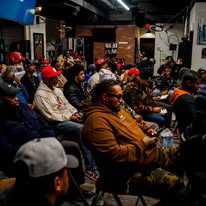
For generations, the barbershop has been one of the few culturally safe spaces where Black men:
Speak freely
Debate openly
Laugh loudly
Process grief
Talk politics, fatherhood, relationships, money, and health
It’s community without paperwork. Brotherhood without pressure.
Unlike clinical spaces, therapy offices, or formal workshops, the barbershop feels familiar. It removes intimidation and replaces it with authenticity.
Why “Chairs & Conversations” Is Necessary
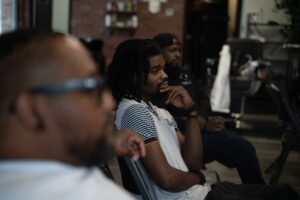
Black men face:
Higher rates of hypertension and heart disease
Untreated depression and anxiety
Social pressure to be providers without vulnerability
Limited safe spaces to process trauma
Yet many won’t walk into a mental health office.
But they will sit in a barber’s chair.
Bringing intentional conversations into that space:
Reduces stigma
Normalizes emotional wellness
Encourages preventive health habits
Strengthens fatherhood and partnership roles
Builds accountability among men
The Cultural Impact
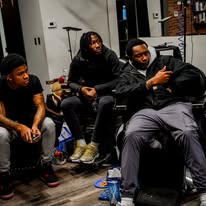
When conversations happen in the barbershop:
Health becomes leadership.
Vulnerability becomes strength.
Fatherhood becomes intentional.
Healing becomes communal.
The barbershop meets Black men where they already are — physically and culturally.
You’re not creating something new.
You’re activating something that has always existed.
Why This Matters for Families
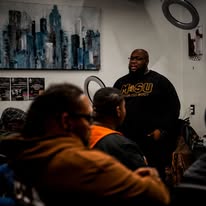
When men are supported:
Partnerships are stronger.
Children see healthy emotional modeling.
Communities become more stable.
Generational cycles are disrupted.
One chair.
One conversation.
One man at a time.
Frequently Asked Questions
